
Priestly Authority & Rulership of Mortals on Earth
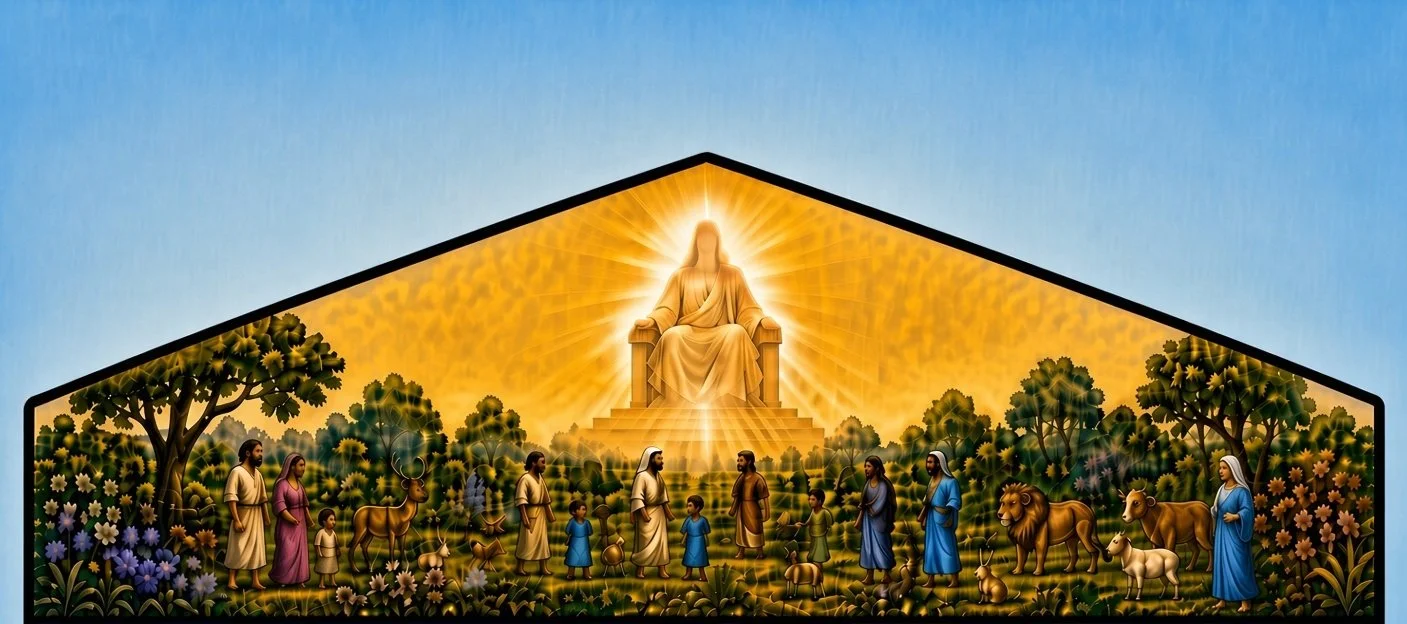
In Genesis 1:28, God blessed all mortals and said to them:
“Be fruitful and increase in number; fill the earth and subdue (kabash) it. Rule (rada) over the fish in the sea and the birds in the sky and over every living creature that moves on the ground.”
Now traditionally, the Hebrew words kabash and rada have been associated with words that imply the use of violence, force, bondage, assault, and “treading down”. But these terms seem to contradict the type of rule and authority that God and Jesus model throughout Scripture. Instead, the Sumerian translations of these words offer definitions that appear to be more harmonious with the rest of Scripture.
In Sumerian, kabash has two related meanings:
ka₂-ba₁₃-aš = “only ruler given authority”
ka₂ = ruler [Mark Cohen, Annotated Sumerian Dictionary, page 734]
ba₁₃ = garment (royal robe of office)
ka-ba-aš = “only one to speak (with authority)”
In other words, human mortals are the only ones that God anoints as rulers to speak with authority on earth. This indicates that God has given no other creature, neither angels nor demons, authority to control the earth (Genesis 6:1-2; Ephesians 6:11-12; Luke 9:1; James 4:7).
Furthermore, Sumerian translation implies that rada is associated with the care and stewardship of animals rather than their “treading down” or subjugation:
ra₂-da = “to accompany, tend, protect alongside”
ra₂ = to accompany, lead; to bear [rá, page 14]
da = (v.) to be near; to protect; (n.) arm; side; nearness [page 9]
This meaning of rada suggests that human mortals are supposed to use their authority and strength to protect and steward the creatures of the earth: the fish of the sea, the birds of the air, and every living creature that moves on the ground.
It should also be noted that there is nothing in Genesis 1 suggests that only two fish, two birds, two animals, or two human beings were created. Rather the “overflowing abundance” of the word bara implies that multitudes of each creature were made by God.
Previous: “‘Adam’ as Archetype”
Next: “Sacred Trees of Eden”